Skip to content
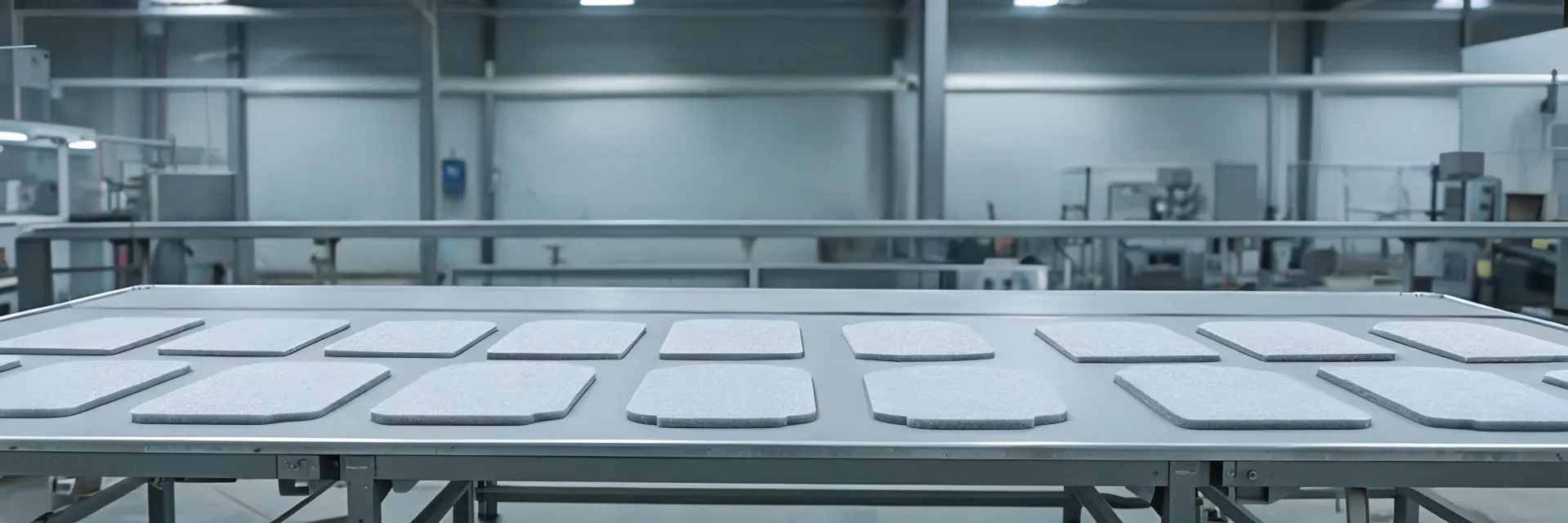
Industrial enclosure line with unmarked foam gasket blanks

closed cell silicone foam

Translate the project into purchase requirements for closed cell silicone foam. Do not treat a search phrase as a promised seal, thermal result, or outdoor life. Silicone Foam Sourcing does not certify an application.

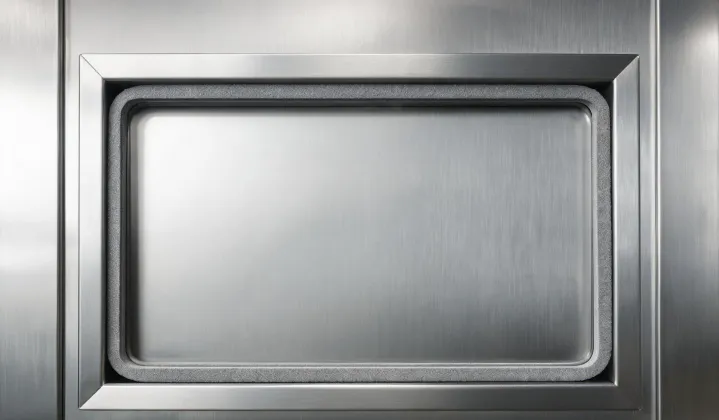
Enclosure gasket duty

Enclosure channels

The project usually demands a closed cell skin that limits water pickup, plus a thickness the door can compress. If the buyer uses hardness, write Shore A and the scale. Shore D is a different scale and is not interchangeable.

Site condition that changes the requirement: wash-down or outdoor UV. Those change the compound ask, not only the freight line.
Thermal pad duty

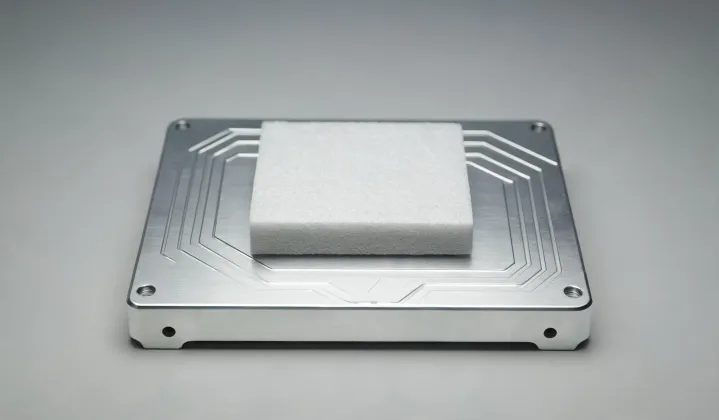
Thermal pads

Closed cell wording does not prove thermal conductivity. Ask the factory for the published figure and the method, then treat it as that factory’s claim for that line.

Site condition that changes the requirement: contact pressure and interface roughness. Those belong on the brief before anyone compares a unit price.

Outdoor sealing duty

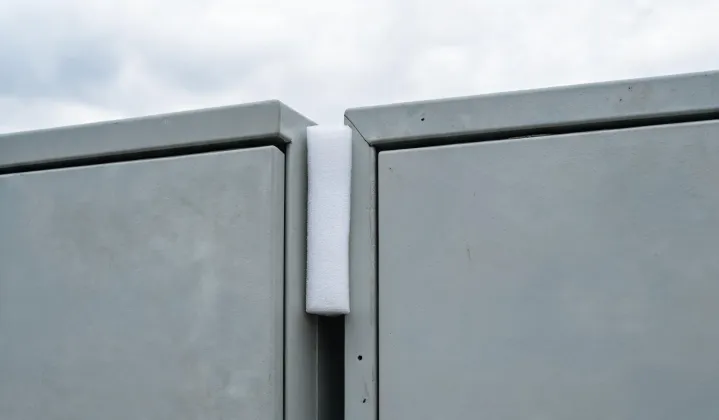
Outdoor seams

Name ozone, UV and temperature window in °F or °C. A closed cell label is not weather evidence. Ask which published figure and which standard were used.

Assumption that must be confirmed in writing: whether adhesive backing is part of the weather duty or only a placement aid.

4

Request axes this desk keeps visible: cell, thickness, density, temperature

2

Hardness scales that must not be mixed: Shore A versus Shore D

2026-07-22

Date of the US product-term export this cluster was selected from

0

Stocked SKUs, price lists or application warranties on this desk

Selection trade-off the brief has to name

Industry materials teams regularly face a silicone versus fluoroelastomer (FKM/FFKM) choice for high-temperature sealing. This desk does not pick the polymer. It writes the duty so factories answer the same window.

Silicone first

Silicone is often asked where the published window is wide, ozone and UV matter, and a food or medical file may be requested later. Typical published elastomer windows in industry tables sit near −60 to +230 °C for silicone. Those figures are catalogue ranges, not a rating this desk reprints for a foam lot.

Fluoroelastomer when hydrocarbons dominate

FKM is asked when oils, fuels and many solvents sit in the duty and silicone would swell. FFKM is a further chemical step at a higher material cost. If the buyer only searched closed cell silicone foam, do not silently convert the line to FKM without rewriting the request.

A second trade-off is thermoplastic elastomer versus vulcanized rubber. TPE/TPU can shorten molding cycles on some parts; crosslinked rubber still holds compression set on many dynamic seals above about 120 °C continuous service. Foam sheet and strip requests stay on the foam path unless the buyer writes a solid-rubber swap.

Write the project assumption before the price

Send cell structure, Shore A if used, site condition and the assumption that must be confirmed. We will not convert those fields into a promised enclosure rating.

Request Factory Quotes